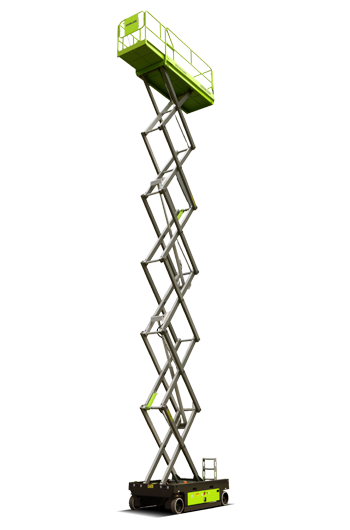
In an industry where efficiency and safety are paramount, it is noteworthy that diesel scissor lifts can elevate loads weighing up to 2,500 pounds to heights exceeding 50 feet. This remarkable capability underscores their significance in various logistical operations.
The Essential Role of Diesel Scissor Lifts in Logistics Operations
Diesel scissor lifts are robust aerial work platforms designed for heavy-duty applications. Their transport attributes include a powerful engine that allows them to traverse rough terrains, making them ideal for outdoor use on construction sites or industrial settings. These machines typically feature larger wheels and a higher ground clearance compared to electric models, enhancing their mobility across uneven surfaces. Furthermore, the ability to carry substantial weight while maintaining stability ensures they play a crucial role in logistics operations where lifting and transporting materials efficiently is essential.
The Intersection of Buying Electric Scissor Lifts and Logistics Operations
When considering the purchase of electric scissor lifts within logistics operations, one must acknowledge their distinct advantages over diesel counterparts in specific contexts. Electric models offer quieter operation and zero emissions, making them suitable for indoor environments such as warehouses or manufacturing facilities. They generally have lower maintenance costs due to fewer moving parts and do not require fuel storage solutions like diesel units do. However, when faced with demanding outdoor tasks requiring significant power output and extended operational hours without frequent recharging breaks, buyers may find themselves leaning towards diesel options despite the appeal of electric alternatives.
Find more about buy electric scissor lift.A Closer Look at Zoomlion Access in Logistics Operations
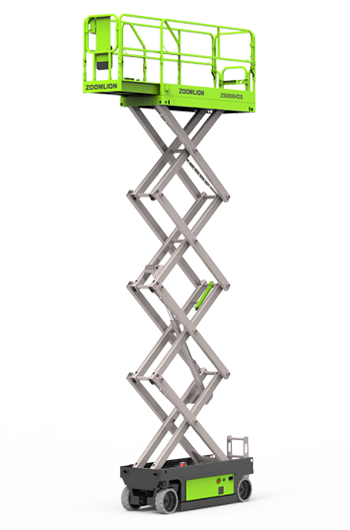
Zoomlion Access has established itself as a formidable player in the market by providing innovative solutions tailored for logistics operations. Their range includes both diesel and electric scissor lifts designed with advanced technology aimed at maximizing productivity while ensuring operator safety. The integration of smart features such as load sensing systems enhances operational efficiency by preventing overloads during material handling tasks—a critical aspect when managing extensive inventories or conducting large-scale projects.
Conclusion
In summary, diesel scissor lifts exhibit unique transport attributes that significantly enhance their functionality within logistics operations. While they provide unmatched power and versatility necessary for challenging environments, understanding the context-specific benefits offered by alternative options like electric models remains vital for informed decision-making regarding equipment procurement strategies.