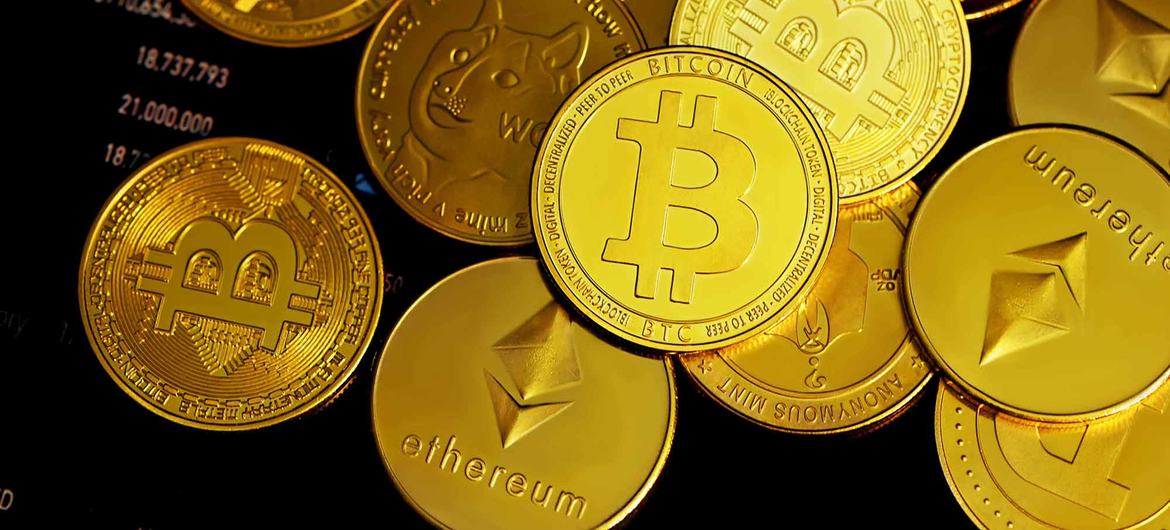
Cryptocurrency swaps have become an important part of the modern digital asset world. They allow people to exchange one cryptocurrency for another without always needing to convert their assets into traditional money first. As crypto assets more people explore digital currencies, understanding how swaps work can make cryptocurrency activity easier to understand and manage.
A cryptocurrency swap can be as simple as exchanging Bitcoin for Ethereum or changing one stablecoin into another digital asset. The process may look complicated at first, but the basic idea is quite simple. One digital asset is exchanged for another based on the current market value, available liquidity, and transaction conditions.
Understanding The Basic Idea Of Swaps
A cryptocurrency swap is a transaction where one type of digital currency is exchanged for another. For example, someone holding Bitcoin may want Ethereum instead. Instead of selling Bitcoin for regular currency and then buying Ethereum, the person may use a swap service to exchange the assets directly.
The amount received depends on several factors. These can include the current price of both cryptocurrencies, market liquidity, transaction costs, and the exchange rate offered at the time of the swap.
Cryptocurrency swaps can take place through different types of platforms and blockchain systems. Some swaps are handled through centralized services, while others can happen through decentralized systems that use smart contracts.
Why People Use Cryptocurrency Swaps
There are many reasons people choose to swap cryptocurrencies. One common reason is portfolio management. A person may decide that they want to hold more of one cryptocurrency and less of another. A swap can make this change without requiring a traditional bank transaction.
Another reason is convenience. Moving directly from one digital asset to another can reduce unnecessary steps. For users who regularly work with different cryptocurrencies, this can make asset management faster and more flexible.
Swaps can also be useful when people need a specific cryptocurrency for a blockchain application. Some digital applications require users to hold a particular token before they can access certain features.
How A Typical Swap Works
The general swap process usually involves a few straightforward steps. First, the user selects the cryptocurrency they currently own. Next, they choose the cryptocurrency they want to receive.
The system then calculates an estimated exchange amount. This calculation can change because cryptocurrency prices can move quickly. The user should carefully review the exchange rate, network fee, and any additional charges before confirming the transaction.
After confirmation, the transaction is processed. Depending on the blockchain and the service being used, completion can take seconds, minutes, or longer.
Once the transaction has been completed, the new cryptocurrency should appear in the user’s wallet or account.
Centralized And Decentralized Swaps
Cryptocurrency swaps can generally be divided into centralized and decentralized methods.
Centralized platforms are operated by companies or organizations. Users usually create accounts and place their assets within the platform. These services may offer convenient interfaces, customer support, and access to many trading pairs.
Decentralized swaps work differently. They commonly use blockchain-based smart contracts to facilitate transactions. Users may connect their own wallets and interact directly with the underlying system.
Both approaches have advantages and disadvantages. Centralized services may be easier for beginners, while decentralized systems can provide users with greater direct control over their assets.
The Role Of Liquidity In Swapping
Liquidity is an important part of cryptocurrency swaps. It refers to how easily an asset can be bought or sold without causing a major change in its price.
When a cryptocurrency pair has strong liquidity, swaps can often happen more efficiently. There may be enough buyers and sellers, or enough assets within a liquidity pool, to support transactions.
Low liquidity can create problems. A user may receive a less favorable rate, especially when attempting to swap a large amount. This is why checking the available liquidity can be an important step before completing a transaction.
Understanding Swap Fees And Costs
Fees are another important consideration. Cryptocurrency swaps can involve several types of costs. These may include network fees, platform charges, and price differences between the expected and final exchange amount.
Blockchain network fees can change depending on network activity. During busy periods, users may pay more to have transactions processed.
Some swaps can also experience slippage. Slippage occurs when the final exchange price differs from the price shown when the transaction was initially prepared. This can happen because cryptocurrency markets can change very quickly.
Understanding these costs helps users make better decisions and avoid unexpected results.
Security Matters When Swapping Crypto
Security should always be considered when dealing with digital assets. Cryptocurrency transactions can be difficult or impossible to reverse after they have been confirmed.
Users should carefully check wallet addresses and transaction details before approving a swap. A small mistake in an address can potentially result in funds being sent to the wrong destination.
Private keys and recovery phrases should also remain private. They should never be shared with another person or entered into an unknown service.
Strong passwords, secure devices, and additional account protection can provide another layer of safety.
Smart Contracts And Automated Swaps
Decentralized cryptocurrency swaps often depend on smart contracts. A smart contract is a blockchain-based program designed to perform specific actions when predefined conditions are met.
For example, a smart contract can help manage the exchange of two digital assets without requiring a traditional intermediary to manually process the transaction.
Smart contracts can improve automation and transparency, but they are not completely risk-free. Programming errors, technical problems, or vulnerabilities can create serious issues. Users should understand the risks before interacting with unfamiliar decentralized applications.
Benefits Of Cryptocurrency Swaps
Cryptocurrency swaps offer several potential benefits. They can provide convenience by allowing direct exchanges between digital assets. They may also give users access to a wider range of cryptocurrencies.
Another benefit is flexibility. People can adjust their digital asset holdings according to their personal strategies or changing market conditions.
For blockchain users, swaps can also make it easier to move between assets needed for different decentralized applications.
However, these benefits do not remove the risks associated with cryptocurrency markets.
Common Risks Users Should Know
Cryptocurrency swaps involve market and technical risks. Prices can change rapidly, meaning the value of an asset may be different shortly after a swap.
There can also be liquidity problems, high network fees, technical failures, and smart contract risks. Some digital assets may have limited trading activity, making them harder to exchange at a desirable price.
Scams are another concern. Fake tokens, fraudulent services, and misleading offers can put funds at risk.
For these reasons, users should research an asset and understand the transaction before approving it.
Tips For Safer Cryptocurrency Swaps
A few simple habits can improve the swapping experience. First, check the details of every transaction before confirming it. Look at the asset name, amount, exchange rate, fees, and receiving address.
Second, avoid rushing. Cryptocurrency markets operate continuously, and emotional decisions can lead to unnecessary losses.
Third, start with a small transaction when using an unfamiliar process. A small test can help confirm that everything works correctly before moving a larger amount.
Finally, keep wallet recovery information private and secure. Anyone who gains access to sensitive wallet credentials may be able to control the associated assets.
The Future Of Cryptocurrency Swapping
Cryptocurrency swaps are likely to remain an important part of the digital asset ecosystem. Blockchain technology continues to develop, and new systems may make exchanges faster, simpler, and more efficient.
Better user interfaces could make swaps easier for beginners. Improvements in blockchain infrastructure may also reduce transaction delays and costs.
As digital assets become more connected across different blockchain networks, cross-chain swapping could become increasingly important. This could make it easier for users to move between assets that exist on separate networks.
Final Thoughts On Cryptocurrency Swaps
Cryptocurrency swaps provide a practical way to exchange one digital asset for another. Although the basic concept is simple, users should understand exchange rates, liquidity, fees, slippage, security, and blockchain risks before completing a transaction.
The best approach is to learn how the process works, review transaction details carefully, and avoid making rushed decisions. With a clear understanding of the technology and its risks, cryptocurrency swaps can become a useful tool for managing digital assets in the growing blockchain economy.
