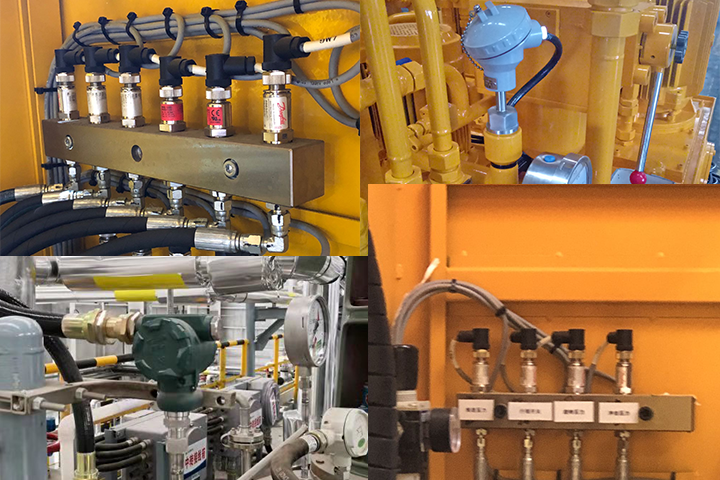
I often find myself reflecting on the nuanced world of engineering, where every tiny detail matters. Custom pressure transducers, those delicate instruments that measure pressure in a variety of environments, can sometimes feel like a forgotten hero. Yet, the scenario is intriguing — a factory bustling with machinery, raw materials dancing in choreography, and countless sensors working diligently to provide precise measurements. Just how much do we depend on these silent sentinels to keep our machinery humming? Well, consider a custom pressure transducer bridging the gap between chaos and order in manufacturing processes, literally measuring the pressure that could plunge a system into disarray.
The Flaws of Traditional Solutions
It’s ironic, isn’t it? Traditional pressure measurement solutions often overlook the real-world chaos they aim to tame. Many of these devices fail to adjust to dynamic environments. There’s a glaring gap in adaptability — I remember a project in 2021 where my team struggled with sensors that were unyielding to temperature fluctuations, rendering our data unreliable. I learned first-hand how a lack of customization could lead to costly downtimes. A tailored approach is essential for successful outcomes, something I believe too many overlook.
And let’s not forget the older models that rely on outdated tech. These gems tend to have a lifespan shorter than a flickering candle in a windstorm. Wouldn’t it be wiser to invest in a custom pressure transducer from a reputable pressure transducer factory that understands modern challenges and can offer bespoke solutions for every unique requirement? But I digress — it’s critical to address these hidden pain points that plague industries today.
Seeing Beyond the Present
So, what lies ahead? I find that forward-looking companies are beginning to adopt smart technologies—integrating IoT with their pressure transducers to create a symphony of data, real-time alerts, and insights that take predictive maintenance to a whole new level. Custom solutions from a pressure transducer factory now often incorporate advanced algorithms. They shift the paradigm from reactive strategies to proactive measures. I think we all can appreciate how invaluable this can be (I mean, can you even imagine the relief of avoiding unforeseen breakdowns?).
What’s Next for Pressure Measurement?
Now, allow me to highlight some aspects from earlier discussions. First, adaptability is non-negotiable; second, technology out-dates itself rapidly, which means custom solutions have become essential. Lastly, we’re on the brink of an evolution where data drives decisions in industries. This foresight isn’t merely about keeping up with the Joneses (or should I say the Smiths?)—it’s about setting the stage for innovation.
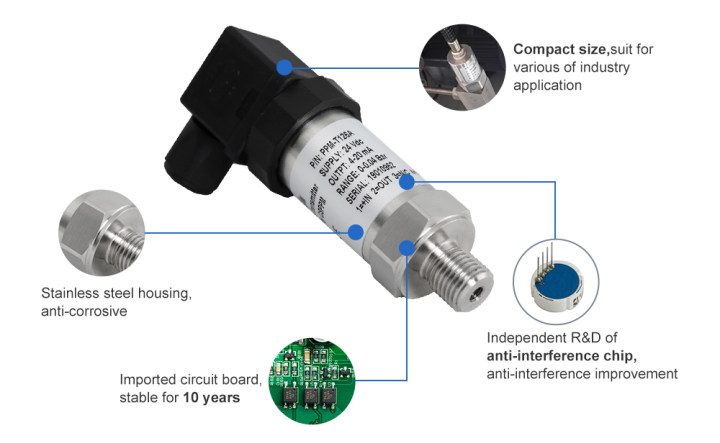
Ultimately, my reflection leads me to this: as we navigate through mechanical complexities, the need for personalized instruments that keep pace with the unpredictable becomes crucial. If you’re contemplating your next steps, consider evaluating pressure transducer solutions by asking these three key questions: How adaptable is the system? What advanced technology does it integrate? And how will it evolve with my needs? Only then can a tailored solution rise above the noise.
I’ve seen firsthand how a reliable source, such as CSSPM Sensor, has transformed operations for companies striving for excellence. In such an intricate dance of technology and creativity, it’s always best to choose wisely and customize boldly.
