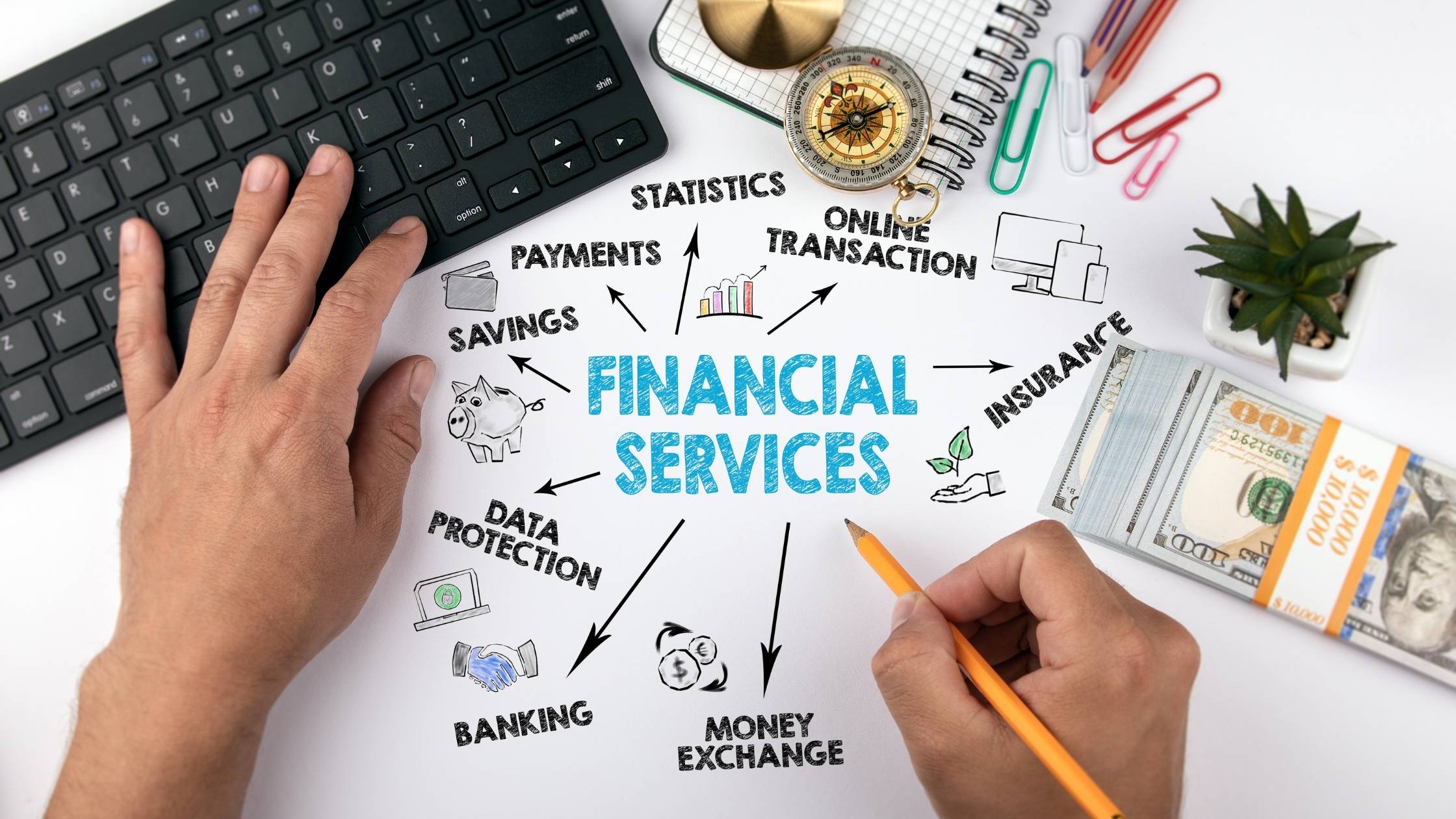
Choosing the right financial service provider can be one of the most important decisions in managing your money, whether you’re opening your first savings account or planning your retirement. With countless banks, fintech companies, C-suite recruitment for financial services credit unions, investment firms, and insurance providers to choose from, it’s easy to feel overwhelmed. The right provider can help you reach your financial goals more efficiently, while the wrong one could lead to missed opportunities or unnecessary costs. Here’s how to evaluate your options and make an informed decision.
- Define Your Financial Goals
Before you start comparing financial service providers, it’s essential to clearly define your financial goals. Are you looking to save money, build credit, invest for the future, purchase insurance, or grow a business? Each type of goal may require a different provider — for example, a credit union might be great for personal loans, while an investment firm is more suitable for wealth management. Knowing your needs helps narrow your options and ensures you’re working with a provider that specializes in the services you require. - Research the Provider’s Reputation
Once you have a list of potential providers, take the time to research their reputation. Look for reviews from other customers, check for regulatory licenses, and verify if the institution is insured (e. g., FDIC-insured in the U. S. ). Reliable providers will be transparent about their fees, customer service policies, and service offerings. Consider how long they’ve been in business and whether they have a history of complaints or legal issues. A strong reputation is often a sign of trustworthiness and stability. - Compare Fees and Costs
Financial service providers often charge different fees for similar services — such as account maintenance, transaction fees, investment commissions, or advisory costs. These charges can quickly add up and reduce your returns. Compare pricing structures across several providers to find one that offers the best value without compromising on quality. Always read the fine print to understand any hidden costs, especially with investment or credit-related services. - Evaluate Accessibility and Technology
In today’s digital world, accessibility and technology play a huge role in the customer experience. Does the provider offer online banking or mobile apps? Can you easily access customer support? Are there physical branches if you need in-person service? For tech-savvy users, a provider with robust digital tools — such as real-time account monitoring, budgeting features, or AI-powered advice — can significantly enhance financial management. Choose a provider that aligns with your preferred way of managing money. - Look for Personalized Support and Education
A great financial service provider doesn’t just offer products — it helps you understand them. Look for companies that provide personalized financial guidance or educational resources to help you make informed decisions. Whether it’s access to a financial advisor, regular webinars, or easy-to-understand content, these features show that the provider values your financial literacy and long-term success. This is especially important for beginners or individuals navigating major life events like buying a home or retiring. - Trust Your Instinct and start Small
Finally, trust your instinct. If a provider’s communication feels unclear or overly aggressive, it may be best to walk away. Start small — open a basic account or try out a single service before committing to a long-term relationship. This gives you a chance to evaluate their performance and customer service without risking too much. The best provider is one that fits your current needs but also has the tools and flexibility to grow with you as your financial goals evolve.
