The world of coin collecting is rich with history and intrigue, and among the most sought-after coins are rare sectors. These web small items of currency have evolved dramatically since their first minting, with some becoming incredibly valuable over time. For collectors, investors, and history enthusiasts alike, rare sectors represent more than just change—they signify an account of economic development, historical significance, and shifting cultural values. This blog delves into the fascinating advancement of rare sectors, from their early mintings to their current status as modern-day rarities.
The Starts of the U. S. 1 / 4
The U. S. 1 / 4, a coin worth 25 cents, was authorized by the Coins Act of 1792, which set the research for the country’s monetary system. The first sectors were struck rare quarters in 1796 at the U. S. Mint in Philadelphia, featuring the image of Lady Liberty. These early sectors were composed of silver and reproduced the classic designs popular during the late 18th century.
During the early years of minting, the designs on sectors varied, but the highest feature was the use of Liberty as a central figure, which served as a symbol of the nation’s ideas and goals. These early 1 / 4 designs set the stage for a long distinct coins that would reflect the political, economic, and social adjustments of the nation.
The Role of Sectors in U. S. Currency
Sectors quickly became needed for everyday transactions, especially in larger cities where the price of goods and services began to increase. As the U. S. economy grew, so too did the demand for small-denomination coins like sectors. They played an important role in commerce, and by the 19th century, we were holding minted in large quantities to meet this demand.
The Move to Rare Sectors
The Barber 1 / 4 (1892–1916)
One of the first truly rare sectors to capture the attention of collectors was the Barber 1 / 4, designed by Charles E. Barber. Minted between 1892 and 1916, this series featured a profile of Liberty with a wreath in her hair, giving it an exceptional and elegant appearance. The Barber 1 / 4 was widespread throughout the early 20th century, but its rarity today comes from factors such as limited production in a few years and the eventual phasing out of the design in favor of newer, newer representations of Liberty.
During its time in circulation, the Barber 1 / 4 was often worn and heavily circulated, making it harder for collectors to find them in pristine condition. As a result, those sectors that were preserved in excellent shape, particularly from years with low mintage numbers, are highly valuable today.
The Standing Liberty 1 / 4 (1916–1930)
The next significant development in rare sectors was included with the Standing Liberty 1 / 4, designed by Hermon A. MacNeil. Minted from 1916 to 1930, the design was a depiction of America’s strength and liberty. The image depicted Liberty standing on a pedestal, holding a shield in one hand and an olive part in the other. This design was bold, artistic, and full of value, that represent the U. S. as a beacon of freedom.
Although the Standing Liberty 1 / 4 was well-received, it wasn’t without its issues. The original design included a interpretation of Liberty’s exposed breast, which was deemed inappropriate at the time, leading to a upgrade. This upgrade in 1917, where Liberty’s breast was covered by stringed mail, made these earlier “Type 1” Standing Liberty sectors particularly rare and valuable. The rarity of these sectors, coupled with their particular design, has made them a nicely coveted item among coin collectors.
The California 1 / 4 (1932–Present)
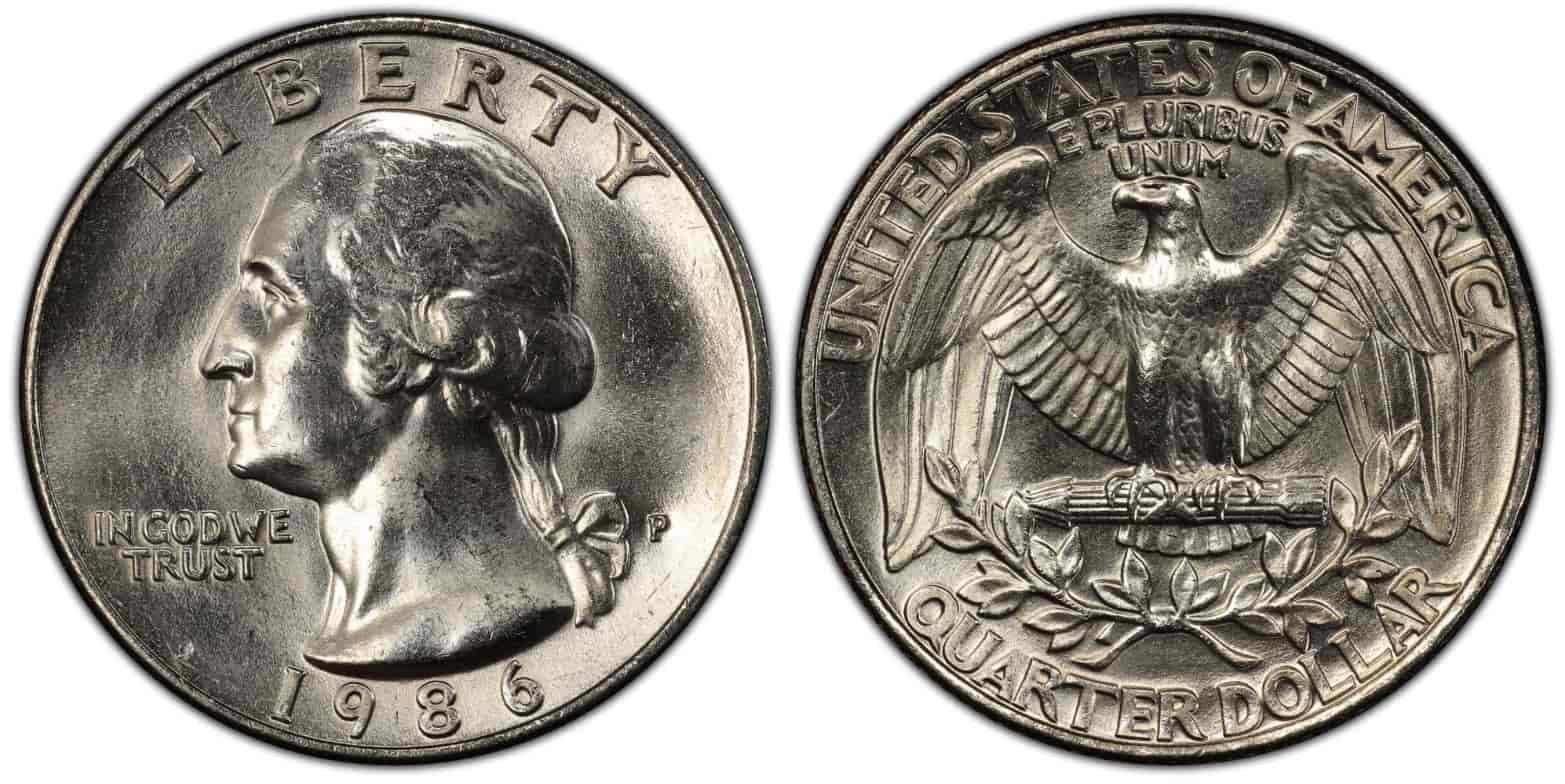
The California 1 / 4, introduced in 1932 to remember the 200th wedding of George Washington’s birth, is one of the most familiar sectors in U. S. history. Designed by John Flanagan, the coin features a left-facing profile of California, which remains the central feature of the 1 / 4 design to this day.
Over the decades, the California 1 / 4 has been through several redesigns, especially during times of national significance. In 1999, the U. S. Mint began producing the 50 State Sectors series, which depicted each state’s unique design on the reverse side of the coin. This series was extremely popular, with millions of collectors seeking to complete the set. One of the most sought-after coins in this series are those minted in low quantities, such as the 1999 Delaware 1 / 4 and the 2004 Wisconsin 1 / 4.
While California sectors are not necessarily rare in the same manner that early coin designs are, certain years and varieties within the series can still retrieve high prices. For example, the 1932-D and 1932-S sectors are thought to be valuable because of the low mintage numbers, and those in exceptional condition are highly valuable by collectors.
Modern-Day Rarities: The Statehood and America the Beautiful Sectors
The 50 State Sectors Series (1999–2008)
The 50 State Sectors series, which began in 1999, was one of the most successful and expansive coin series ever produced by the U. S. Mint. This series was designed to celebrate all of the 50 states with a unique reverse design, reflecting the, culture, or landmarks of the state. As a result, certain state sectors have become highly collectible, especially those from states with low mintages or unique designs.
Notable for example the 2004 Wisconsin 1 / 4, which featured an extra leaf on the ear of ingrown toenail due to a minting error. This error led to a tremendous increase in demand, and today, these error coins are thought to be rare and highly valuable. Other state sectors, such as the 1999 Delaware 1 / 4, are thought to be rare because of the low number of coins stated in certain years.
The America the Beautiful Sectors (2010–2021)
The America the Beautiful Sectors program, which began truly, features 56 national parks and sites from across the united states. These sectors are unique in that they represent the country’s natural beauty and efficiency efforts. As with earlier series, some of these coins have garnered attention from collectors due to limited mintages or unique design features.
For example, the 2013 White Mountain National Forest 1 / 4, minted in low numbers, has become a rarity among collectors, while other limited-production coins in the series have gone up in value over time. As the program concluded in 2021, completing a full set of America the Beautiful sectors has become a new milestone for collectors.
Investing in Rare Sectors: What to look for
Minting Errors and Variations
One of the key factors that will make certain sectors rare and valuable are minting errors and variations. Common errors include doubled die varieties, where the design is struck twice, and off-center strikes, where the coin’s design is erroneously lined up. These errors can increase a coin’s value significantly, particularly when the error is rare or unusual. When collecting rare sectors, it’s important to hurricane for these types of errors.
Coin Condition and Grading
The condition of a coin, also known as its grade, plays a significant role in its value. Coins in mint condition, known as “uncirculated” or “MS” (Mint State), are typically worth more than those that have been heavily circulated or show signs of wear. Professional grading systems, such as those given by the Numismatic Guaranty Corporation (NGC) or the Professional Coin Grading Service (PCGS), assess a coin’s quality and give a grade. Coins with higher grades generally retrieve higher prices in the market.
Low Mintage and Limited-Edition Coins
Coins with low mintage numbers are always more desirable because of the rarity. Sectors from years with limited production runs or special commemorative updates tend to appreciate in value over time. For collectors looking to invest in rare sectors, focusing on coins from years with low mintages or those released as part of limited edition series is a smart strategy.
Conclusion: The Ongoing Allure of Rare Sectors
The advancement of rare sectors, from their respectful starts to the modern rarities we see today, highlights the rich history of U. S. coins and the continuous demand for collectible coins. Whether it’s the iconic Barber 1 / 4, the historical Standing Liberty 1 / 4, or the modern-day America the Beautiful series, rare sectors offer something for every collector and investor.
