Opening: A Quiet Room, a Sudden Mix-up
Picture a boardroom where the clock is kind, the coffee is warm, and the agenda is clear. The digital name plate rests on the table while people settle in and open their laptops. Then two guests trade seats, and the room slips out of sync. Ten minutes pass as staff shuffle printed tags, update a spreadsheet, and whisper across the aisle. In many rooms like this, those lost minutes repeat week after week. Small frictions become a pattern. And the data we do have, even from simple internal reviews, tells a story: setup time and identity errors add up to real cost and stress.

Here is the question that lingers: what if the table itself knew who sat where? Not as a gimmick, but as a quiet system that matches faces, roles, and seats with calm precision — and without drama. With modest tools like edge computing nodes and efficient power converters, we can turn a name plate into a reliable part of the meeting flow (not another thing to fix). The aim is simple: align identity, seating, and content so people can start, not stall. Let’s walk from that small scene into the deeper issues it reveals, and see what they teach us next.
Deeper Look: The Flaws Behind Conference Table Labels
Why do simple plates create complex problems?
Most conference table name plates still rely on paper inserts, manual updates, or a single operator who must chase changes. That looks easy at first glance. Yet it fails under real conditions: late arrivals, last‑minute swaps, and hybrid calls. These methods assume a fixed seating plan, a perfect print run, and zero change mid‑meeting. They also lack basic controls. There is no role-based mapping, no live sync with a directory, and often no time sync beyond a wall clock. So the first error is structural: the process depends on people to fix what the system should handle. Look, it’s simpler than you think, but it must be systematic.
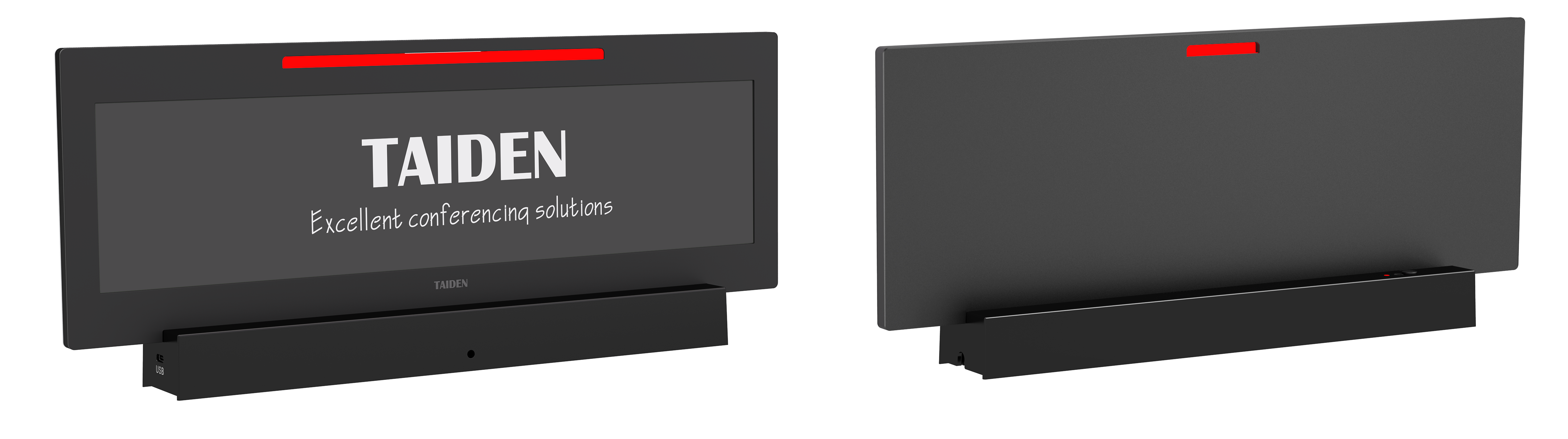
Another flaw hides in the wiring and workflows. Paper and ad‑hoc plates ignore device-level thinking: no PoE switch for unified power, no firmware updates that patch bugs, no hooks for RFID tags or BLE beacons to confirm seats. When a speaker moves, content misroutes. When translation channels change, the wrong person hears the wrong feed — funny how that works, right? Even “digital” displays that are not networked can trap you; they need a human to push buttons, so they scale poorly. Without a backbone that handles identity, seating, and content routing, every change becomes manual labor. And manual labor does not scale in modern rooms.
Looking Ahead: Principles That Fix the Meeting Table
What’s Next
We can do better by borrowing from stable, proven patterns. First, bind identity to seat with light-touch sensing and simple rules. An digital name plate should draw from a secure directory, cache locally, and confirm presence with a low-energy signal. Second, treat each device like a node that can heal itself: timed NTP sync, safe firmware updates, and graceful fallback when the network blips. Third, consolidate power and data over a single line when possible; PoE plus small power converters reduce clutter and failure points. These are not flashy tricks. They are steady principles that make the table honest and responsive — and yes, it still looks simple on the table.
Compared with paper or stand‑alone displays, networked plates give you live context without noise. Roles update mid‑agenda. Seating swaps trigger instant remaps. Language channels and mic queues follow the person, not the chair. The gains are quiet but real: fewer hand signals, fewer apologies, less fatigue. From the earlier scene, we learned that small frictions pile up. Here, the table becomes a calm layer that prevents them. To choose wisely, keep three checks in mind: 1) Integration depth: does it sync with calendars, directories, and conferencing tools without brittle scripts? 2) Resilience: are there edge computing nodes, safe rollbacks, and offline modes that keep names correct even if the uplink falters? 3) Lifecycle clarity: can you manage firmware updates, security keys, and spares without a night shift? With these in place, meetings start cleaner, and people feel seen rather than sorted. For a grounded example of such systems in practice, see solutions from TAIDEN.
